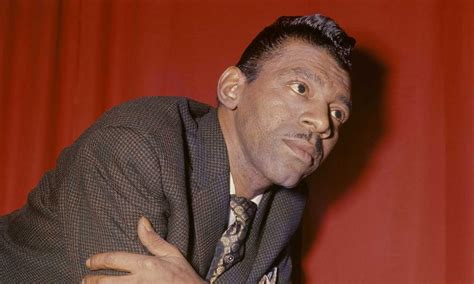
Little Walter – 5MBS Blues Legend for October
Little Walter, born Marion Walter Jacobs on May 1, 1930, in Marksville, Louisiana, was one of the most influential blues musicians of the twentieth century. There are various disagreements on his age, from 1925 to 1930, and although Marion frequently used 1930, his mother named 1925 in a US census.
Who cares now! Best known for his extraordinary harmonica playing, he transformed the role of the instrument in blues music and helped shape the sound of modern electric blues. Through his technical innovation, powerful performances, and successful recordings, Little Walter earned a lasting place in music history.
His ability and dexterity with the harm has earned him comparisons to such seminal artists as Django Reinhardt, Charlie Parker and Jimi Hendrix.
He was raised in Rapides Parish, Louisiana, where he learned to play the harmonica. He quit school, and by the age of 12 had left rural Louisiana and travelled, working odd jobs and busking on the streets of New Orleans, Memphis, Arkansas, and St. Louis. He honed his musical skills on harmonica and guitar, performing with older bluesmen including Sonny Boy Williamson II, Sunnyland Slim, and Honeyboy Edwards, to name a few.
By the late 1940s, he settled in Chicago, a city that had become the major centre for blues music.
Little Walter gained widespread recognition through his association with Muddy Waters, one of the leading figures in Chicago blues. Walter played harmonica in Waters’ band and contributed to many influential recordings. His playing stood out because of his creativity, speed, and emotional intensity. Unlike many harmonica players before him, Walter used a microphone and amplifier to increase the volume and power of his instrument. This innovation allowed the harmonica to compete with electric guitars and drums, creating a bold new sound that became a defining feature of Chicago blues.
In 1952, Little Walter launched a successful solo career. His instrumental recording “Juke” became a major hit, reaching the top of the rhythm-and-blues charts. The song was significant because it demonstrated that a harmonica-led instrumental could achieve commercial success. “Juke” remains one of the most famous harmonica recordings ever made and is often considered a blues classic.
Throughout the 1950s, Walter recorded numerous successful songs, including “My Babe,” “Blues with a Feeling,” and “Mean Old World.” His recordings showcased not only his harmonica mastery but also his strong vocal abilities. Most of Little Walter’s singles released in the 1950s featured a vocal performance on one side and a harmonica instrumental on the other. (Note- a feature which was later repeated on many reggae records). Walter or Chess A&R man Willie Dixon wrote many of his vocal numbers or they adapted them from earlier blues themes. In general, his sound was more modern and up tempo than the popular Chicago blues of the day.
Little Walter combined technical brilliance with deep emotional expression, creating music that resonated with audiences across the United States. His influence extended beyond blues, affecting rock, rhythm and blues, and later generations of harmonica players. His techniques have been frequently copied by the likes of Mick Jagger, Rolling Stones, and others.
Demise and Death…
Despite his musical success, Walter’s personal life was often troubled. He was known for his temper and frequently became involved in fights and conflicts. These struggles affected both his career and his health. On February 15, 1968, Little Walter died at the age of thirty-seven after suffering injuries related to fight in a south-side club. Although not particularly violent its possible that the injuries was amplified by early altercations, and he died in his sleep.
Today, Little Walter is remembered as a revolutionary musician who changed the possibilities of the harmonica. His recordings continue to inspire artists and listeners around the world. In recognition of his contributions, he was inducted into the Rock and Roll Hall of Fame in 2008 in the Sidemen category, and the only person inducted for the harmonica. Little Walter’s daughter, Marion Diaz Reacco, established the Little Walter Foundation in Chicago, to “carry on the legacy and genius of her father’s music”. The foundation aims to create programs for the creative arts, including music, animation and video.